

In A Nutshell
North America isn’t known for its giant mammals. However, some scientists want to stock its shores with African creatures like lions and elephants. It’s all part of a plan called “rewilding,” a movement that hopes to restore Earth to its glory days. While this plan might sound extreme, rewilding has actually worked on a much smaller scale.
The Whole Bushel


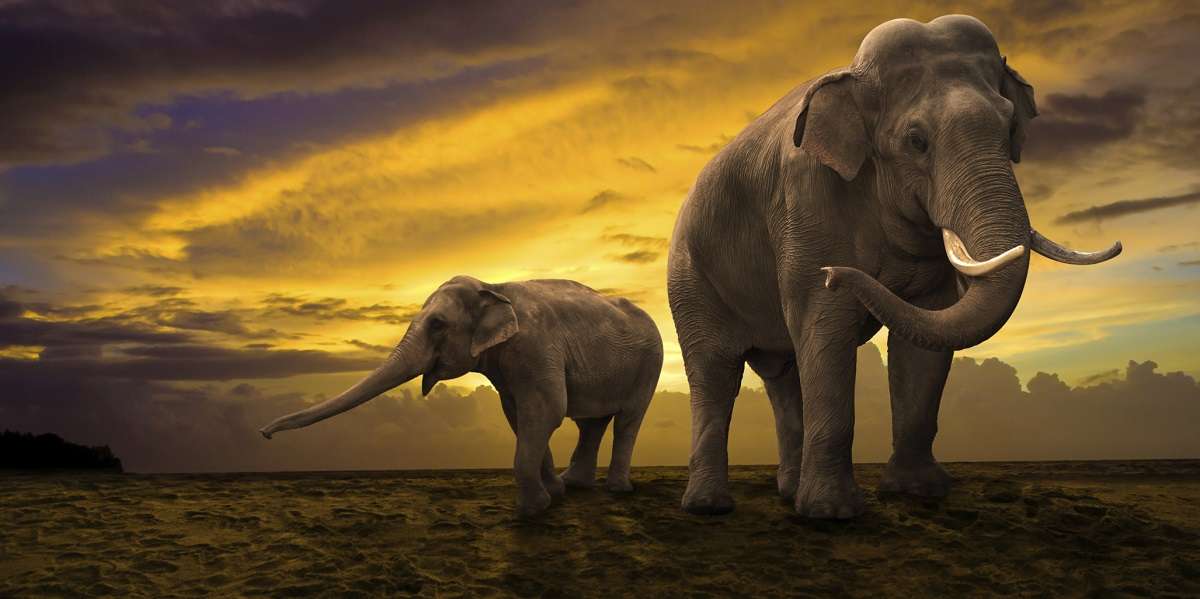
Imagine waking up one morning to find an elephant in your rose bushes or a lion in the backyard snacking on your pet pooch. While this kind of thing might happen if you live in the Serengeti (maybe), it’s not a common occurrence in the Great Plains. However, if Cornell graduate student Josh Donlan and his 11 associates had their way, North America would look a lot like Kenya.
In 2005, Donland and company published a controversial paper in Nature magazine, calling for the establishment of a US Ecological History Park, a huge nature reserve full of animals most Americans have only seen in zoos. Creatures like camels, cheetahs, lions and elephants would live and hunt alongside deer and bears . . . and humans.
While it sounds like a Michael Crichton disaster waiting to happen, the scientists believe the park would not only help the economy (big-time tourist dollars) but also aid the environment. Of course, their plan came under heavy fire and was never enacted, but surprisingly, it’s not the first time an idea like this has been suggested. In fact, scientists have been doing this kind of thing for awhile, albeit on a much smaller scale.
The concept is called “rewilding,” a word invented by environmentalist Dave Foreman. The overall gist is to restore creatures where they’ve been hunted to extinction. The key word here is “restore.” Not so long ago, America was crawling with huge cats, woolly mammoths, and giant camels. It wasn’t until humans started crossing the Bering Strait that these great beasts started to disappear.
When these animals vanished, the North American ecosystem changed drastically, not always for the better. According to the study, without mammoths tromping around, the number of weeds multiplied, and without predators like lions and cheetahs, the pest population exploded. In fact, the scientists predicted the decline of major American vertebrates in the near future, all because the ecosystem has changed so completely over the last several millennia. However, if the continent was repopulated with relatives of extinct creatures, some researchers believe the environment could be restored to its former glory.
As proof of rewilding’s positive impact, scientists point to the wolves of Yellowstone. The canines were wiped out in the 1920s, causing the number of deer to skyrocket—until 1995 when wolves were reintroduced. Then things changed dramatically. Wolves kept the deer in check and actually altered their behavior. The deer avoided areas of the park where they could be trapped, allowing trees and other plants to grow. This attracted beavers whose dams provided homes for otters, ducks, and fish. Furthermore, wolves ate coyotes, which increased the rabbit population and lured in hungry weasels and hawks. Eagles and bears showed up to feed on carcasses wolves left behind, and most shockingly, the wolves changed Yellowstone’s physical geography. All the new trees actually stabilized riverbanks, causing less erosion and straighter streams.
Rewilding proponents have also reintroduced flora and fauna in Europe. Environmentalists recently released 48 Retuerta horses into Western Spain. Scottish scientists are hoping to restore forests to over half the country and bring back creatures like red squirrels and wild boars. And Welsh researchers introduced broadleaf trees and beavers to Blaeneinion, hoping to mimic Yellowstone’s success.
Obviously, there are a lot of implications to consider. Many critics point out the disastrous results of introducing rabbits and cane toads to Australia. However, pro-rewilding scientists have an answer at the ready. They explain that neither rabbits nor bufonids (true toads) lived in the Land Down Under before man brought them over. Rewilding is different because the species involved were all native at one time or are related to creatures that were.
Of course, the biggest concern is sharing a neighborhood with man-eaters. Humans aren’t comfortable living next to killer carnivores. That’s why many of them were wiped out in the first place. As of right now, it looks like the US Ecological History Park will exist only in Nature magazine, but who knows? If smaller rewilding programs are successful, then maybe one day Americans will wake up to find their homes surrounded by savannas.
Show Me The Proof
Conservation: Where the Wild Things Were
LiveScience: Lions, Camels and Elephants, Oh My! Wild Kingdom Proposed for U.S.
TED: A walk on the wild side
NPR: Rare Horses Released In Spain As Part Of ‘Rewilding’ Effort


