

In A Nutshell
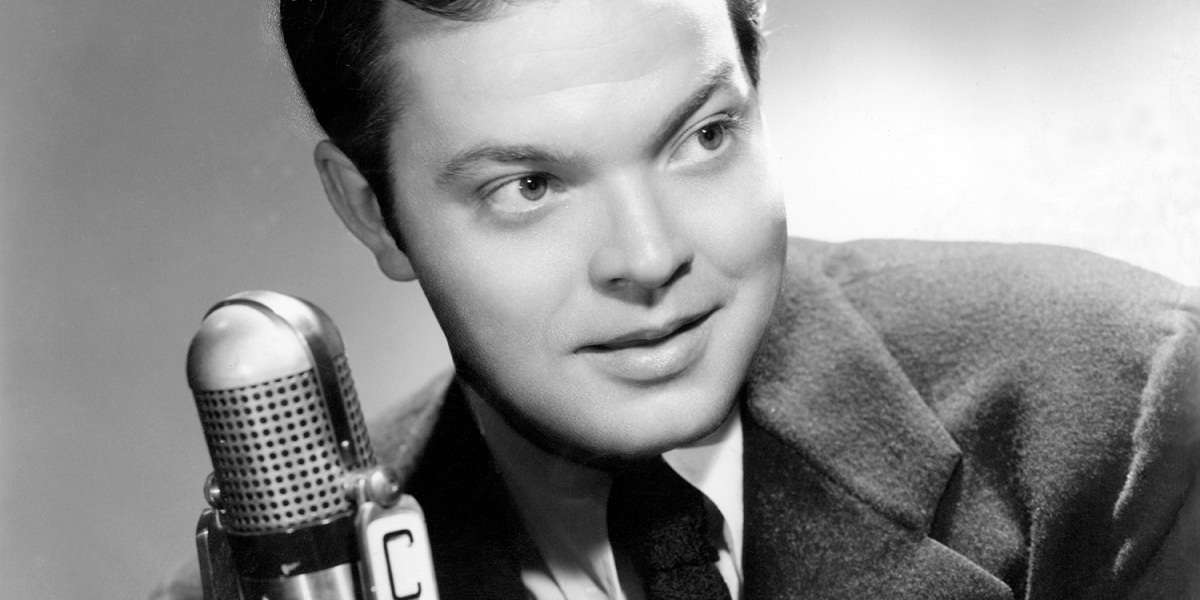
War of the Worlds has the dubious distinction of being the radio program that threw the country into mass panic in 1938. People fled their homes and took to the streets thinking that aliens had invaded. It’s a great story about the power of fiction, but unfortunately only a small percentage of the country’s population even heard the original broadcast, and there was no mass panic in the streets. In an attempt to discredit the newfangled radio as a medium, newspapers greatly exaggerated the public’s reaction, and that exaggeration grew into myth.
The Whole Bushel
The widespread panic caused by the first broadcast of War of the Worlds is well documented. Newspaper headlines point fingers at the radio drama for causing widespread panic, making countless people living in the areas named in the broadcast as invasion sites flee their homes in blind panic. It was mass hysteria unlike anything the United States had seen before that fateful night of October 31, 1938 . . . wasn’t it?
Newspapers were the Internet of the 1930s . . . and just because it was in the newspapers doesn’t mean it was true. If they’re telling the truth, millions of people heard the broadcast; they tuned in well after the disclaimer that it was a work of fiction, changing the radio station only when another popular program had ended.
Unfortunately, as good a story as it is, it’s not true. There were no documented cases of people dropping dead from stress-related heart attacks, there were no actual traffic jams and car accidents, and there was no mass exodus from any of the locations named in the broadcast as the site of alien invasion.
C.E. Hooper was a ratings company, and on the night of the infamous broadcast they were calling hundreds of homes across America to see what they were listening to. Of the 5,000 homes surveyed, only about 2 percent of them were tuned in to War of the Worlds; this was largely because there was a hugely popular show on another station at the same time: The Chase and Sanborn Hour. Extrapolating that data, that still suggests that a very small percentage of the population was even listening, and that small percentage is made even smaller by a number of CBS affiliate stations pre-empting the broadcast in favor of other programming.
In fact, CBS was so concerned about the newspaper headlines that followed the broadcast that they commissioned their own survey to see how many of their listeners were inconvenienced by the radio drama. The answer? Not many.
Fact-checking that followed some of the newspapers’ claims about people being injured or hospitalized proved the stories inaccurate. No deaths were ever reported from the mass panic and evacuations. In fact, in the published memoirs of the New York Daily News radio editor, he recalls how deadly quiet the streets were in New York City on the night of the broadcast—a far cry from the legendary thousands of people that supposedly took to the streets thinking that the aliens were coming.
So where did the myth come from?
Newspaper editors saw a brilliant way to take a stab at the growing competition—radio. Radio was the new, up-and-coming thing, and it was taking a big piece of advertising revenue away from print media. And more than that, they also saw a way to increase their sales. Who would pass by a newsstand without picking up the latest edition with more information on this widespread panic about a Martian invasion?
Most of the stories that were run came off the wire services, growing in scale and severity with each re-telling. Once the headlines were on newsstands across the country, more and more people were saying that they had tuned in, that they, too, had been frightened by the broadcast, and they’d thought it was real.
Apparently, many newspaper editors missed the irony of spreading these falsified stories to demonstrate what an unreliable news source the radio really was.
Show Me The Proof
BBC: The Halloween myth of the War of the Worlds panic
NPR: 75 Years Ago, ‘War Of The Worlds’ Started A Panic. Or Did It?
