In A Nutshell
Animals like snakes and spiders are often described as either being venomous or poisonous; both are harmful, but there is a difference. That difference is in the delivery system of the animal’s toxic substance. Animals that are venomous must inject their target with their toxin, whether through a bite or a sting. Those that are poisonous have toxins that must be swallowed or inhaled in order to be dangerous.
The Whole Bushel


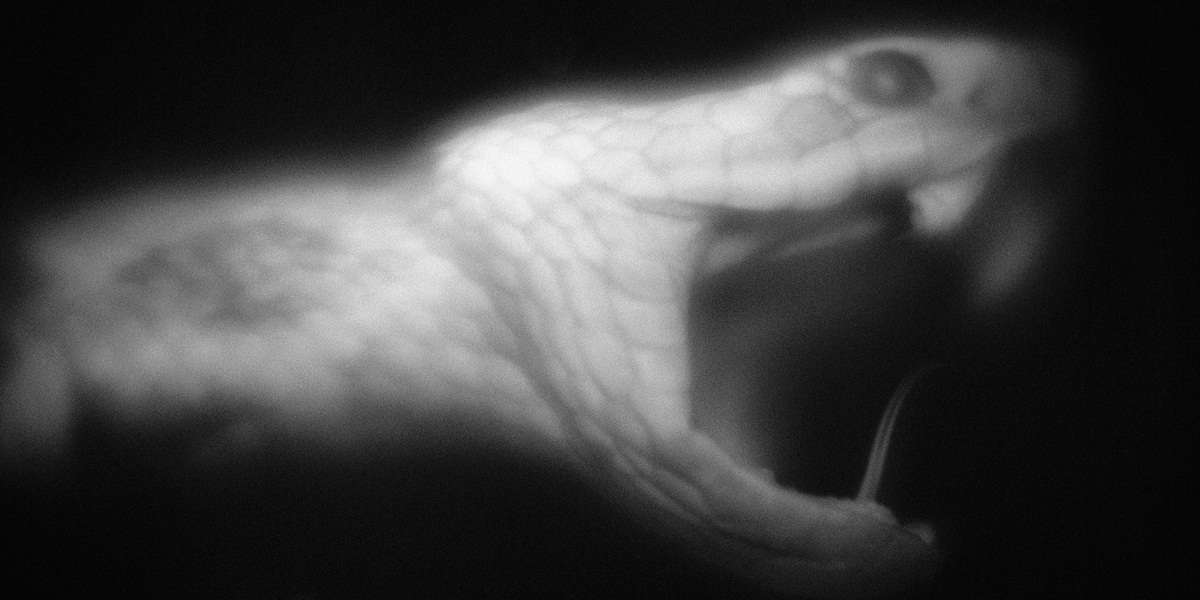
The difference between a poisonous snake and a venomous snake is essentially the delivery system. While both types pose a threat to humans and other animals alike, it’s the venomous animals that have an aggressive form of defending themselves and delivering the toxin. For an animal to be venomous, the toxin has to be somehow injected into the body of the victim. Whether they use fangs or stingers, venomous animals have to get their toxins beneath the skin and then into the bloodstream to be effective.
Poisonous animals, on the other hand, have a passive-aggressive form of toxicity. In order to be dangerous, they need to have their toxins swallowed or inhaled by the victim: In fact, it’s often due to the actions of the victim that they become poisoned.
Many times, animals can be both. Some, like the yellow-bellied sea snake, have both a venomous bite and poisonous flesh. Usually we tend to think of reptiles and insects when we think of poison and venom, but they’re not the only dangers out there. Poisonous fish include the barracuda and the auger shell, both potentially deadly if eaten. Other sea-dwellers like the blue-ringed octopus have a venomous bite but are safe to eat. And even some mammals are venomous—the male platypus has spurs on its back feet that can administer a deadly toxin during their mating season.
A poisonous animal doesn’t have to be eaten in order to poison someone or something. Many poisonous animals, such as toads and frogs, contain their poison glands around their necks so they can easily and efficiently release their poison if they feel threatened. This makes them a particular danger to animals like dogs, that might threaten such a creature even involuntarily and become poisoned should they lick the toad or pick it up.
Venomous animals have to actively inject their venom into whatever is threatening them. Spiders and scorpions are venomous, as they administer their toxin through their bite or their stingers. While poisons work through the digestive system and mucous membranes of the body, venom has to be absorbed into the bloodstream to be effective.
There are several different types of venom. Neurotoxins attack the brain and the nerves; animals whose bite results in paralysis use this type of venom. Cytotoxins are a type of venom that causes the most pain, as this venom attacks cells directly, not just killing them but causing them to rupture and release their contents into the body. And hemotoxins attack blood cells directly; most kill red blood cells, which interrupts the flow of oxygen throughout the body.
If venom is ingested in the same way a poison is, chances are it could have little to no effect. Stomach acids will break down the venom before it can make it into the bloodstream, which is where the damage is done. This is also why venomous animals can swallow their own venom without suffering any ill effects.
The amount of damage done by poisonous and venomous animals both depends on the size of the animal, the strength of their toxin, how fast treatment is received, and the overall health of the victim.
Show Me The Proof
University of Arizona: Toxic Species of the Sonoran Desert: Perception vs. Reality
Department of Wildlife Ecology & Conservation: Frequently Asked Questions About Venomous Snakes
PBS Nova: The Venom Chronicles
Discovery: Poisonous Animals You Can’t Eat