In A Nutshell
Shyness and introversion are two types of personality characteristics that are very often written off as the same thing by those that don’t have to deal with one, the other, or both. Introversion is one of the pairs in the Myers-Briggs personality tests that is given a higher rating if the person recharges their energy by solitary activities such as reading, writing, and reflection. Shyness defines how a person deals with others and unfamiliar situations; those who are shy have a hard time talking to and meeting new people, and are often uncomfortable in new situations.
Note: It is always worth remembering that psychological definitions like this are not always completely agreed on. We simply offer two of the more popular definitions.


The Whole Bushel
We’ve all been to those parties; we’ve all seen that person that just looks like they really, really don’t want to be there. In some cases, we are that person. Whether we’re shy or introverted, we’re probably frustrated with those who aren’t familiar with the two very different types of personality characteristics brushing us off as one or the other, and not understanding quite what they are.
From the outside, a person who is introverted is viewed in much the same way as someone who is shy. (It’s not uncommon that the two characteristics exist in the same person.) They’re the new person at work who doesn’t make an effort to make a spot for themselves at the lunch table, they’re the ones who read a book in their car on their breaks. They’re the standoffish ones, the awkward ones. But that’s looking at it through the lens of an extrovert.
The introvert doesn’t feel the need to seek out social interaction. In fact, too much social interaction can be emotionally and physically exhausting for them. Strangely, a study by the Salk Institute for Biological Sciences suggest that there’s a very different way that the brain of an introvert registers the world around them. When studying the brain activity that went on in an introverted person, it was found that there was no more electrical activity happening when they were looking at another person compared to when they were looking at inanimate objects. This suggests there’s a biological reason that introverts don’t seek out social interaction—they’re just not stimulated by it.
Introversion is a biological and personality trait, and those that have it are usually fine with it.
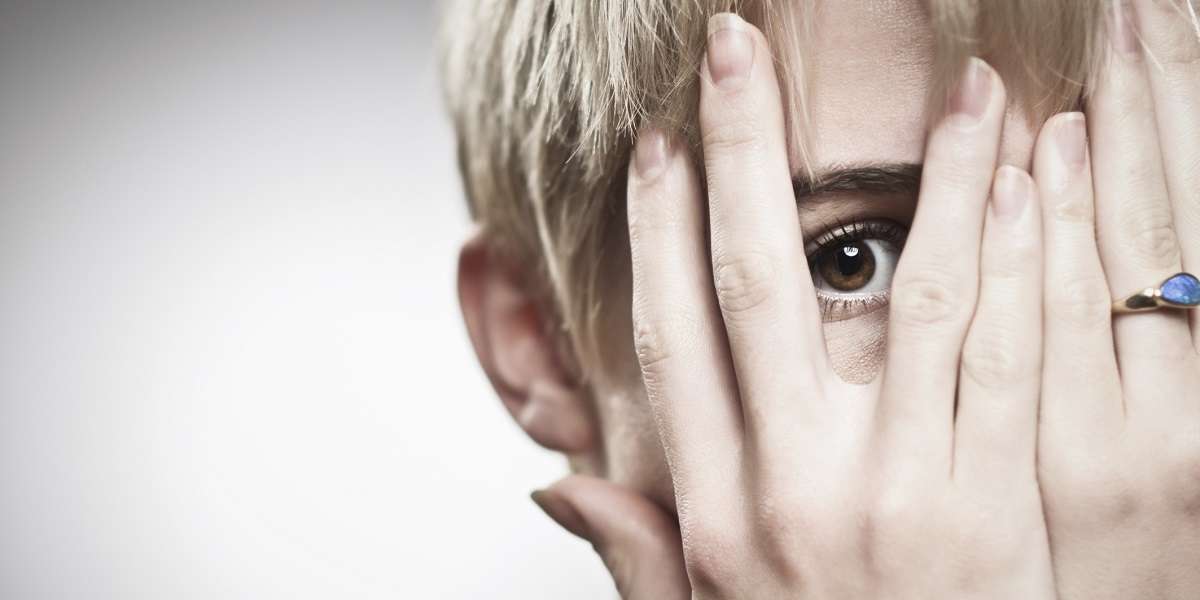
Shyness, on the other hand, can become so severe and so crippling that it can actually be diagnosed as a mental health problem. Everyone can be shy in certain situations and there are definitely varying degrees of shyness. However, in extreme cases, those that suffer from it find themselves unable to function in certain situations, unable to ask a stranger for directions, or agonizing over the moments before getting to the front of a check-out line where human interaction is necessary.
While an introvert more likely chooses to stay home on a Friday night, someone suffering from severe shyness may not think they have any choice but to stay home—and wish they were out.
Introverts often have a small group of close friends. To those who know them, they’re often great listeners, can give thoughtful advice, and are extremely empathetic. A person who is severely shy may find it difficult to form close friendships like that, and can remain feeling awkward even around family and people they have known for their entire lives. An introvert can be fine with someone approaching them and beginning a conversation, but to someone who’s shy, that can be just as terrifying as the thought of starting a conversation themselves.
A big difference between the two is how the person feels about their lack of social interaction or desire for constant companionship. An introvert is fine with it: They really, really are. To an introvert, it’s not a problem to be alone with their thoughts or to have a quiet dinner with one or two close friends. For someone who’s shy, though, they tend to wish that it just wasn’t the case. They are the ones that long for a big group of friends, but just can’t bring themselves to reach out and put themselves into that situation.
Show Me The Proof
LiveScience: Brains of Introverts Reveal Why They Prefer Being Alone
Psychology Today: There’s More to Introversion than You Might Think
BBC News: Is being shy an illness?
Psychology Today: Understanding Shyness