In A Nutshell
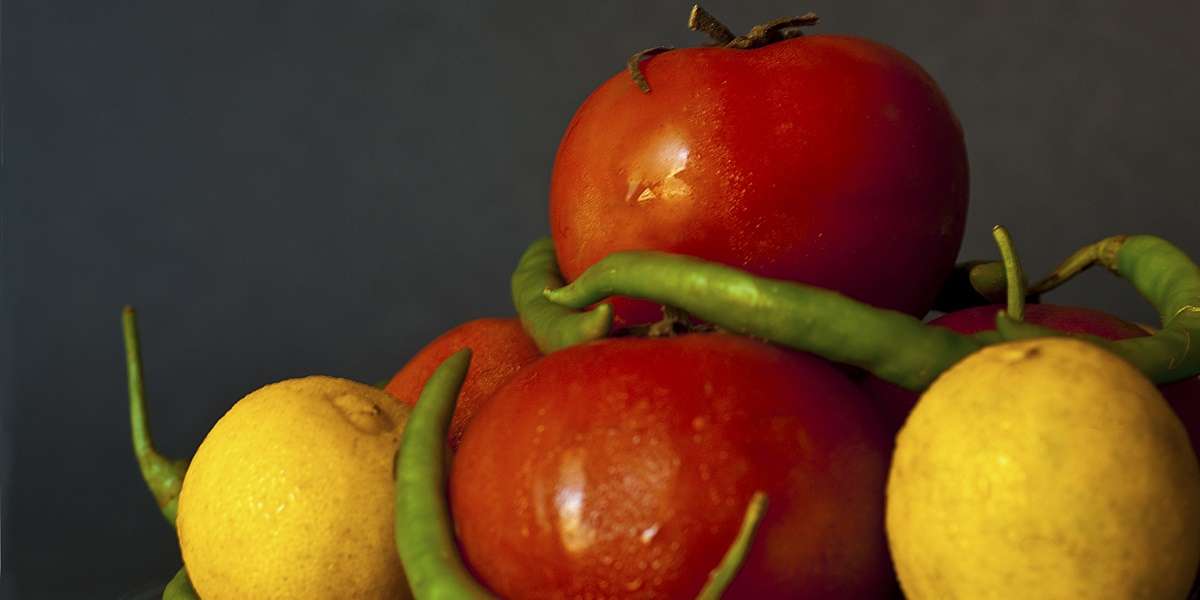
For a long time, people have been rather up in the air about the tomato. By 1893, though, botanists agreed that it was a fruit. It developed from the ovaries of the plant, and that was the very definition of a fruit. When the Supreme Court weighed in, though, they declared it was a vegetable, because no one was eating tomatoes for dessert. Other government have made some pretty strange declarations when it comes to the difference between fruits and vegetables, too. Oklahoma says the watermelon is its state vegetable, and the European Union considers carrots and sweet potatoes to be fruits.
The Whole Bushel


Fruits are fruits, and vegetables are vegetables, right? It seems like it should be a pretty straightforward sort of thing. By botanical definitions, fruits develop from the ovaries of a female plant. These include things like apples, peaches, pears, and melons. Vegetables are include any part of the plant that’s edible, but only if that part isn’t an ovary. They’re the roots and stems, the leaves, and in some cases (e.g., onions) the bulbs.
But, like many things, when the governments of the world get involved, they get more complicated.
John Nix was an importer working in New York during the late 1880s. In 1886, he butted heads with the port’s customs official, Edward Hedden. Their argument was over taxes, tariffs, and the definition of a tomato. According to import laws, Nix needed to pay a 10 percent tax on any vegetables that were brought into the country. Since tomatoes were a fruit, scientifically speaking, Nix thought he shouldn’t pay the tax. Hedden argued that he should, presumably because tomatoes are possibly the least fruitiest of the fruits.
The debate went all the way to the Supreme Court, and in 1893, the tomato was officially declared a vegetable.
The evidence given in the court was great. Witnesses were asked to read the definitions of both fruits and vegetables from several different dictionaries. Fruit and vegetable merchants were called to the stand to testify as to the personal character of the tomato. One witness admitted that tomatoes could be a vegetable based on the dictionary definition, because there were clearly other foods that were widely accepted as being vegetables but weren’t listed in the dictionary—maybe they just left tomatoes off the list.
After deciding that “fruit” and “vegetable” didn’t have any special meanings in the professional trade (as supported by the merchants) and that people generally ate them in a way similar to vegetables, it was decided that tomatoes were vegetables and Nix had better go pay his taxes on them.
In a similar case only a few years before, the Supreme Court had decided to ignore the botany of beans, too, declaring that they were vegetables and not seeds, largely because the defense pointed out that making baked beans out of something that was actually a seed was just silly. Court cases also decided that rhubarb was a fruit and truffles were vegetables, and those aren’t only controversies from another century. In 2001, carrots and sweet potatoes were both officially ruled to be fruits by the European Union.
There are also rulings from state legislatures when it comes to naming official fruits and vegetables for their states. Oklahoma’s state vegetable is the watermelon, and Arkansas named the tomato both their official state fruit and state vegetable. Oklahoma’s declaration only came in 2006, an echo of the much earlier 1890s ruling by the Supreme Court.
At the end of the day, a vegetable isn’t always a vegetable and a fruit isn’t always a fruit. (And even though berries are fruits, it turns out that strawberries, raspberries, and blackberries aren’t technically berries.) When the Supreme Court ruled in favor of Hedden and his taxes, they set a precedent. The tomato can be a vegetable if people think that it is, just like carrots can be fruits.
Show Me The Proof
National Geographic: Is a Tomato a Fruit? It Depends on How You Slice It
Nix v. Hedden 149 U.S. 304 (1893)
The Society Pages: The Tomato Tariff: The Politics of Fruits and Vegetables
Business Insider: The Supreme Court Says The Tomato Is A Vegetable—Not A Fruit