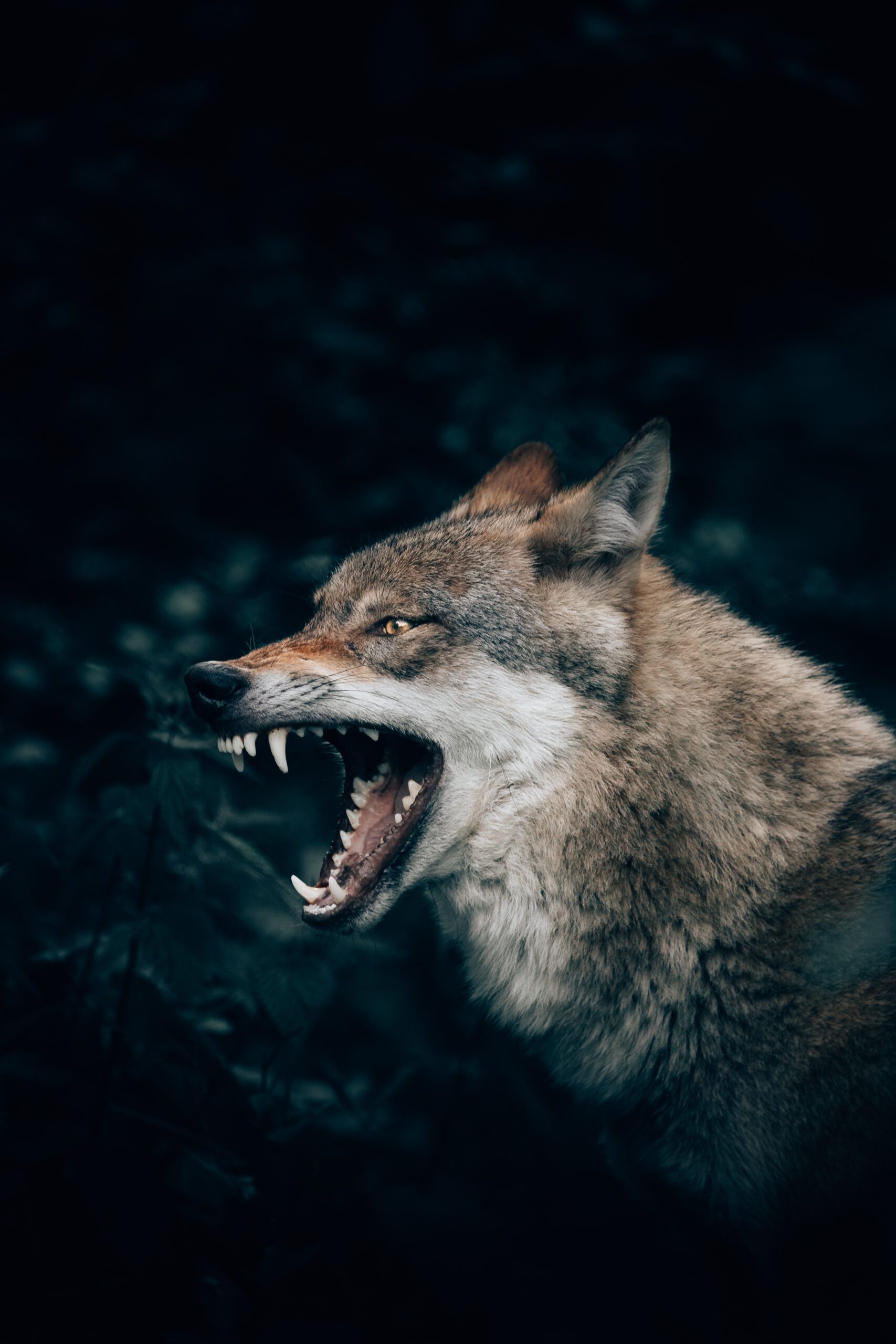
Did you know that all domestic dogs can be traced back to one common ancestor – the wolf? Wolves and domestic dogs look similar, but they have several crucial differences. Let’s take a closer look at these differences so that you can better understand the relationship between wolves and our beloved furry friends.
Behavioral Differences
Behavior is perhaps the most important difference between wolves and domestic dogs. Domestic dogs are social animals who form strong pack bonds with their human families, while wolves are more solitary creatures who prefer to live in packs only with other wolves. Wolves also typically have aggressive tendencies towards humans, while domestic dogs can be pretty friendly in most cases.


Physical Differences
Wolves tend to be much larger than domestic dogs; adult wolves typically weigh over 80 pounds, while adult domestic dogs usually weigh no more than 70 pounds on average. But unlike domestic dogs, wolves can weigh up to 165 pounds! However, because of selective breeding, some breeds of domesticated dogs may come close in size to wild wolves. For example, Siberian huskies and Alaskan malamutes can reach weights of up to 100 pounds or more! Additionally, wolves have slightly differently shaped heads than domesticated breeds – they tend to have longer muzzles and ears than many domesticated dogs. Wolves also have larger front feet than domestic dogs and typically have a more loping gait.
Genetic Differences
Of course, there are also genetic differences between wild wolves and domesticated dogs. While both species share a common ancestor millions of years ago, the two species diverged over time due to selective breeding by humans for specific traits such as size or coat color. Therefore, even though they may appear similar outside, their genetic makeup is quite different. In fact, new research suggests that some domesticated breeds may possess a “domestication gene” which sets them apart from their wild counterparts!
They Differ in Human Dependence
The most notable difference between wolves and domestic dogs is their level of dependence on humans. Wolves are much more independent, while domesticated breeds rely heavily on people for food, shelter, and love. This is due to centuries of selective breeding by humans, which has resulted in domesticated animals that seek out the companionship of people more than wolves do. Domestic dogs are also much more trainable than wolves, making them ideal companions for people in various settings.
Wolves Tend to Be Shy
Wolves are typically timid animals who are not comfortable with humans. This is due to the centuries of hunting and persecution that wolves have endured at the hands of humans. In contrast, domesticated breeds are much more social and friendly around people, which makes them easier to live within close quarters than their wild cousins.
Final Thoughts
It’s incredible that all of our beloved pet dogs today originated from a common ancestor – the wolf! While there are certainly similarities between wild wolves and domesticated dogs in terms of physical appearance and behavior, there are also key differences that set them apart from each other. The most significant difference between the two species lies in their genetics – while they do share a common ancestor, selective breeding by humans has altered their genes significantly over time resulting in two distinct species today! Understanding these differences can help us appreciate both animals for what they truly are – fascinating creatures with unique behaviors and abilities!
A Few Interesting Facts About Wolves
• Wolves are brilliant animals capable of problem-solving and using body language to communicate.
• Wolves have various vocalizations, including howls, barks, and whines.
• Wolves typically hunt in packs and can cooperate to bring down large prey.
• Wolves have a strong sense of smell and can detect prey up to three miles away.
• A wolf’s diet consists mainly of large mammals such as deer, elk, moose, and caribou.
• Wolves are fiercely territorial and will defend their territory from other predators.
Sources:
8 Differences Between Dogs and Wolves, petmd.com
Wolf vs. Dog: What’s the Difference, rover.com